Hidden Wilds of Nicosia: Where Nature Whispers Beneath the City’s Pulse
You know that feeling when you think you’ve seen all a city has to offer—then suddenly, you stumble upon a green secret no one told you about? Yeah, that’s exactly what happened in Nicosia. Beyond the stone walls and old-town charm, I discovered untouched natural spots that feel like they’re guarded by the city itself. Lush valleys, hidden trails, and riverside paths—this side of Cyprus’s capital is alive, wild, and absolutely worth knowing. While most visitors linger in the historic center, sipping coffee beneath Ottoman arcades or tracing Byzantine frescoes, few realize that just beyond the urban hum, nature thrives in quiet abundance. This is a city not only of heritage, but of hidden green veins pulsing beneath its surface.
The Urban Mask of Nicosia
Nicosia, the last divided capital in Europe, is often framed through the lens of politics and history. Guidebooks highlight its Venetian walls, its museums, and the Green Line that cuts through its heart. These are undeniably significant, but they also cast a long shadow over another truth: Nicosia is a city cradled by nature. Its identity as a concrete-laden administrative center overshadows the fact that green spaces—some cultivated, others wild—permeate its landscape. This duality remains invisible to many, not because the nature isn’t there, but because it’s rarely featured in mainstream travel narratives. The city’s natural side is not advertised on postcards, nor is it included in standard walking tours. Instead, it reveals itself slowly, to those who wander off-script, who follow a trailhead down an alley, or who pause beside a quiet riverbank where reeds sway in the breeze.
The oversight is understandable. Nicosia’s urban core is compact and densely built, with centuries of layered architecture dominating the skyline. From a distance, the city appears as a sun-bleached cluster of rooftops, ringed by dry hills. But this is a surface reading. In truth, Nicosia sits in a broad valley between two mountain ranges—the Kyrenia to the north and the Troodos to the southwest. This geographical cradle channels seasonal rivers, shelters microclimates, and supports a surprising variety of plant and animal life. The city’s relationship with nature is not one of conquest, but of coexistence—albeit a quiet, often unacknowledged one. What many don’t realize is that within a 20-minute drive from the city center, the asphalt fades into olive groves, pine forests, and rocky trails where the only sounds are wind and birdsong.
Why, then, does this natural dimension remain so under the radar? Part of the reason lies in perception. Travelers arrive with expectations shaped by media and marketing, seeking cultural landmarks rather than ecological discovery. Additionally, Nicosia’s green spaces are not always labeled or signposted in the way that, say, national parks in other countries might be. They are integrated into the city’s fabric rather than set apart from it. This makes them easy to miss—but also more rewarding when found. There is a kind of intimacy in discovering a hidden path along a revitalized river, or a quiet park where locals bring their dogs and children, unaware that they are walking through a vital ecological corridor.
The Green Lungs: Parks and Urban Reserves
Amid the city’s built environment, several designated green zones serve as vital refuges for both people and wildlife. These are not mere decorative lawns but functioning ecosystems that provide shade, clean air, and habitat. Among the most significant is the Pedieos River Green Line, a linear park that follows the river’s course through the heart of Nicosia. Once a neglected and often dry channel, it has been transformed into a green spine connecting neighborhoods on both sides of the city. Flanked by walking paths, native shrubs, and shade trees like eucalyptus and tamarisk, the area now invites leisurely strolls, morning jogs, and quiet contemplation.
The Green Line is more than just a park—it’s a symbol of renewal. Its development began in the early 2000s as part of broader efforts to revitalize the city’s central areas. What was once a no-man’s-land, scarred by division, has slowly become a shared space of peace and recreation. Today, families picnic on grassy banks, cyclists glide along paved trails, and birds such as kingfishers and wagtails return to the water’s edge. The area is carefully managed to balance public access with ecological protection. Native vegetation is prioritized, invasive species are controlled, and seasonal flooding is allowed to shape the landscape naturally. This careful stewardship has turned a forgotten riverbed into a living, breathing part of the city.
Other municipal parks contribute to Nicosia’s green network. The Municipal Garden near Eleftheria Square offers a shaded retreat in the bustling city center, with fountains, benches, and old stone pathways. Further out, the Leventis Municipal Museum Gardens blend formal landscaping with native plantings, creating a space that is both beautiful and ecologically thoughtful. These parks may seem modest compared to vast wilderness areas, but their value lies in accessibility. They are where city dwellers reconnect with the rhythms of nature—watching leaves change color, listening to birdsong, or feeling the coolness of shade on a hot afternoon. For many residents, especially older adults and families with young children, these spaces are essential for mental well-being and daily relaxation.
What makes these urban reserves particularly effective is their integration into daily life. Unlike remote natural attractions that require planning and travel, these green zones are woven into the city’s routine. A grandmother walks her granddaughter to school through the Municipal Garden. Office workers eat lunch on benches beside the Pedieos. Teenagers meet friends under the trees after school. These moments may seem small, but collectively, they represent a quiet revolution in how cities can coexist with nature. Nicosia’s green lungs do not demand grand gestures—they simply exist, offering respite and connection to anyone who pauses long enough to notice.
Following the Pedieos: A River Reborn
The Pedieos River, the longest river in Cyprus, begins in the Troodos Mountains and flows eastward through Nicosia before disappearing into the wetlands near Larnaca. For much of the year, its bed in the city appears dry—a wide expanse of stone and sand. But this is misleading. The river is not dead; it is seasonal, responding to winter rains and spring thaws. In recent years, efforts to restore its ecological function have transformed its urban stretch into a dynamic natural corridor. What was once a neglected channel is now a place of quiet beauty, where nature and city life intersect in unexpected ways.
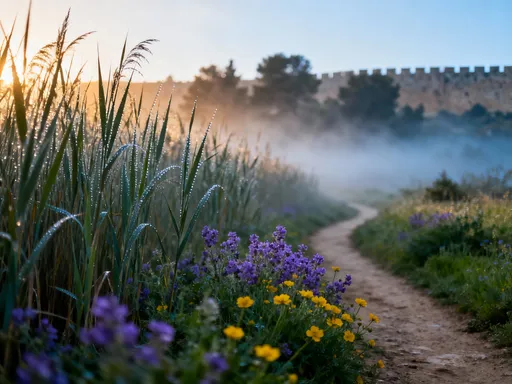
Walking along the river’s path, especially in the early morning or late afternoon, one can sense the shift in atmosphere. The air cools, the noise of traffic fades, and the scent of damp earth and wild herbs rises from the banks. Native plants such as reeds, rushes, and tamarisk have returned, stabilizing the soil and providing shelter for insects and birds. In the wetter months, the river flows again, even if only briefly, attracting dragonflies, frogs, and migratory birds. Kingfishers dart between branches, herons stalk the shallows, and swallows skim the water’s surface. These are not rare sightings—they are becoming increasingly common, a sign of ecological recovery.
The revitalization of the Pedieos has also created new opportunities for recreation. Paved and unpaved trails run alongside its course, connecting neighborhoods and offering safe routes for pedestrians and cyclists. The path from the city center to the suburb of Strovolos is especially popular, lined with benches, exercise stations, and occasional art installations. Families ride bicycles, joggers set personal records, and dog walkers follow familiar routes. The riverbank has become a social space, but one rooted in nature rather than concrete. Even in summer, when the riverbed is dry, the tree canopy provides shade, and the open space offers a sense of freedom rare in dense urban areas.
What makes the Pedieos truly special is its accessibility. One does not need a car, a guide, or special equipment to experience it. A comfortable pair of shoes is enough. This democratization of nature is essential, especially in a city where green space is limited. The river’s transformation is not just ecological—it is cultural. It represents a growing recognition that cities are not separate from nature, but part of it. By allowing the river to breathe again, Nicosia has reclaimed a piece of its natural heritage, not as a museum exhibit, but as a living, evolving part of urban life.
Escape to the Outskirts: Nature Just Beyond the City
While Nicosia’s urban green spaces are valuable, the true wildness lies just beyond its edges. Within a 30-minute drive, the landscape shifts dramatically—from city streets to rolling hills, pine forests, and rocky trails. The foothills of the Troodos Mountains offer some of the most accessible and rewarding natural escapes. Areas such as Kakopetria, Pedoulas, and Platres are well-known, but quieter trails exist closer to the city, perfect for a half-day outing. The Machairas Forest, located southeast of Nicosia, is one such destination. Home to a historic monastery and vast stands of Aleppo pine, it provides a cool, fragrant retreat, especially in spring and autumn.
Hiking in the Machairas Forest is both easy and rewarding. Well-marked trails wind through shaded groves, opening onto panoramic views of the Mesaoria plain below. The air is crisp, scented with pine and wild thyme, and the only sounds are wind, birds, and the occasional rustle of a lizard in the underbrush. In spring, the forest floor blooms with wildflowers—crocuses, orchids, and rock roses—painting the landscape in soft purples, yellows, and pinks. Picnic areas near the monastery offer sheltered spots to rest, and small kiosks sell local honey and herbal teas, supporting the surrounding villages.
Another accessible destination is the Kantara Castle trail, which begins near the village of Diorios. While the castle itself is a historical site, the path leading to it passes through a rugged, untamed landscape. The hike is moderate in difficulty, gaining elevation gradually, and offering sweeping views of the Kyrenia range. Along the way, hikers may spot kestrels circling overhead, wild goats on distant cliffs, or even the rare Cyprus warbler flitting through the scrub. The trail is not heavily trafficked, preserving a sense of solitude and discovery.
For those without a car, public transportation options are limited but improving. Buses run to major towns like Lefka and Kythrea, from where shorter walks can be arranged. Alternatively, local tour operators offer guided nature excursions, often combining hiking with visits to traditional villages. These tours are especially helpful for travelers unfamiliar with the terrain or road conditions. The key is timing—early morning departures avoid the midday heat, and spring or autumn visits ensure comfortable temperatures. With a little planning, even a short stay in Nicosia can include a meaningful encounter with the island’s wilder side.
Seasonal Secrets: When Nature Shines
The beauty of Nicosia’s natural surroundings changes dramatically with the seasons, each offering a unique invitation to explore. Winter, though mild by northern standards, brings cooler temperatures and much-needed rain. This is the time when the Pedieos River flows, when hillsides turn green, and when walking trails are at their most pleasant. A winter stroll along the riverbank or a hike in the foothills is invigorating, the air crisp and clean, the sky often clear after a storm.
Spring is the most vibrant season. From March to May, the landscape explodes with color. Wildflowers blanket fields and forest clearings, orchards bloom, and birds return from migration. This is the ideal time to visit the Machairas Forest or the higher elevations of Troodos, where almond and cherry trees flower in profusion. Birdwatching becomes especially rewarding—Cyprus lies on a major migration route, and species such as bee-eaters, rollers, and warblers pass through in large numbers. Early risers may spot golden orioles in the treetops or hear the call of the Cyprus scops owl at dusk.
Summer, while hot, is not without its natural charms. The city’s green spaces offer shaded relief, and higher elevations remain cool. Trails in the Troodos foothills, particularly those above 800 meters, provide escape from the heat. Early morning hikes are ideal, with mist rising from the valleys and the sun still low in the sky. Streams in shaded gorges retain water longer, creating small oases where frogs and dragonflies thrive. Even in summer, nature persists—adapted, resilient, and quietly beautiful.
Autumn brings a softer palette. The intense greens of spring fade into golds and browns, and the air carries the scent of fallen leaves and damp earth. This is a peaceful time to walk, with fewer tourists and a sense of quiet transition. Fungi appear in the forests, and migratory birds begin their journey south. The changing light enhances the texture of the landscape—rock, soil, and bark take on a deeper tone. For photographers and nature lovers, autumn offers a more contemplative experience, one that invites slowness and reflection.
Sustainable Exploration: Respecting the Wild
As more people discover Nicosia’s hidden natural spaces, the need for responsible travel grows. These areas are not theme parks—they are living ecosystems, fragile and slow to recover from damage. Staying on marked trails, avoiding littering, and refraining from picking plants or disturbing wildlife are simple but essential practices. Even well-meaning actions, such as feeding birds or leaving food scraps, can disrupt natural behaviors and attract pests.
Local conservation efforts play a crucial role in protecting these spaces. Organizations such as the Cyprus Society for Environmental Protection and the Troodos National Forest Park Authority work to maintain trails, restore habitats, and educate the public. Volunteer opportunities exist for those who wish to contribute—tree planting, clean-up days, and citizen science projects are all ways to give back. Supporting local businesses that prioritize sustainability, such as eco-friendly cafes or guide services, also helps ensure that tourism benefits the community without harming the environment.
Mindful travel does not require grand gestures. It begins with awareness—recognizing that every footprint, every choice, has an impact. It means choosing reusable water bottles, carrying out trash, and respecting quiet zones. It means listening more than speaking, observing without interfering. The wild places around Nicosia are not ours to own, but to share—for a moment, with gratitude. By traveling with care, we help ensure that these spaces remain intact for future generations, not as relics, but as living, breathing parts of the island’s soul.
Reimagining City Travel: Why Nature Matters
Discovering the hidden wilds of Nicosia changes the way one sees cities. It challenges the notion that urban travel is only about culture, history, and architecture. Yes, these are important—but so is the space between buildings, the breath of fresh air, the sight of a bird in flight. Nature is not a luxury; it is a necessity, especially in an age of constant connectivity and urban density. These green spaces offer more than scenic views—they offer balance. They remind us that life moves at different rhythms, that stillness has value, and that beauty often hides in plain sight.
For the traveler, especially the woman in her 30s to 55s balancing family, work, and personal well-being, these natural escapes are not just enjoyable—they are restorative. A walk along the Pedieos, a picnic in the Machairas Forest, a quiet moment watching spring flowers bloom—these are acts of reconnection. They ground us, slow us down, and restore a sense of peace that is hard to find elsewhere. They are not grand adventures, but they are deeply meaningful.
Nicosia teaches a quiet lesson: that the most profound discoveries are often the ones we don’t expect. They come not from ticking off landmarks, but from wandering with open eyes. They come from listening—to the wind, to the river, to the silence between sounds. In a world that often feels loud and hurried, these green whispers matter. They invite us to look deeper, to wander beyond maps, and to let cities surprise us. Because sometimes, the wild is not far away. Sometimes, it’s right beneath our feet, waiting to be noticed.