Beyond the Postcard: Chasing Light and Stone in Puebla’s Hidden Corners
You know that feeling when a place just hits different? Puebla wasn’t on my radar, but walking its cobbled streets at golden hour, I swear the air shimmered. This isn’t just about churches and mole—it’s about moments where time slows. The way light dances on Talavera tiles, the quiet atop a hill with views no filter can capture. Trust me, you gotta experience this. In a world of over-shared destinations, Puebla offers something rare: authenticity wrapped in beauty, history alive in everyday moments. It’s not a museum piece—it breathes, changes, reveals itself slowly, like a story told in whispers rather than shouts.
The First Glimpse: Stepping Into a Living Canvas
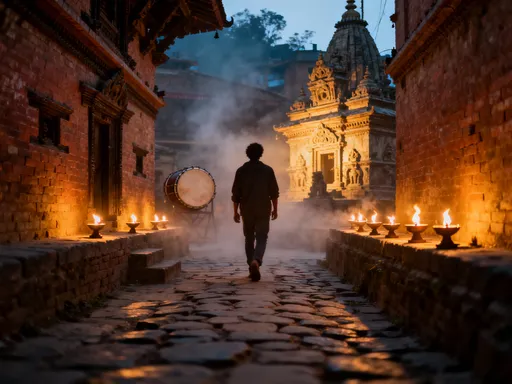
From the moment you step off the bus or taxi and onto Puebla’s uneven cobblestones, there’s a shift in energy. The city doesn’t announce itself with fanfare; it unfolds quietly, like a well-kept secret finally being shared. Nestled in a highland valley between two towering volcanoes, Puebla feels both sheltered and grand—a place where nature and human design have conspired to create something enduring. Its historic center, designated a UNESCO World Heritage site, is a masterclass in colonial urban planning and Baroque architecture. But what strikes you first isn’t the scale of its buildings, but their harmony. The cathedral, with its twin bell towers rising like sentinels, anchors the Zócalo, yet it doesn’t dominate. Instead, it blends—its pink cantera stone glowing warmly in the afternoon sun, its façade intricately carved but never overwhelming.
As you wander, you begin to notice the layers. A 16th-century church shares a street with a 19th-century bookstore and a modern café where young locals sip espresso under wrought-iron balconies. There’s no forced nostalgia here; history isn’t preserved behind glass, it’s lived in. The sound of footsteps on stone, the rustle of palm trees in the breeze, the faint chime of a distant clock—these small sensations accumulate, forming the rhythm of the city. Even the air feels different: crisp at dawn, carrying the scent of fresh bread and coffee from corner bakeries, then warming gently as the sun climbs.
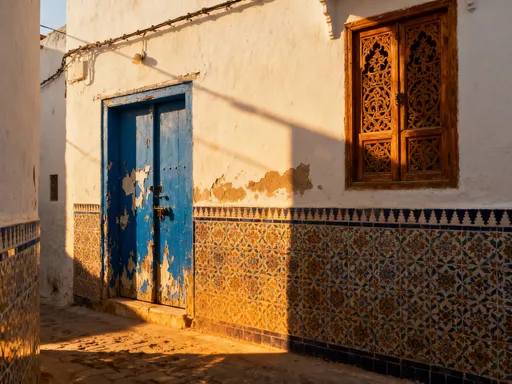
This is not a city built for speed. Its charm lies in the details—the mosaic of hand-painted Talavera tiles adorning fountains and façades, the shadow patterns cast by ornate iron grilles, the way sunlight catches the edge of a cornice just so. These aren’t curated for tourists; they’re part of daily life. And that’s what makes Puebla so inviting. You don’t feel like a visitor passing through; you feel like someone being quietly welcomed into a world that has been here for centuries, waiting to be noticed.
Why Puebla Stands Apart: More Than Just a Stopover
In the pantheon of Mexican destinations, Puebla often plays second fiddle to flashier neighbors. Oaxaca draws food lovers, Mexico City dazzles with its scale and energy, and beach towns promise endless sun. But Puebla? It doesn’t need to shout to be heard. It stands apart not because it’s untouched or undiscovered, but because it balances depth with accessibility in a way few cities manage. Here, culture isn’t packaged for consumption—it’s woven into the fabric of everyday life.
Take the markets. While tourists might visit Mercado el Parián for the handcrafts and folk art, locals go for their morning staples—freshly ground corn for tortillas, fragrant herbs, and steaming cups of atole served in clay cups. At dawn, the market hums with quiet industry. Vendors arrange pyramids of chiles, their colors—deep red, bright orange, earthy brown—like a painter’s palette. Nearby, a woman fries quesadillas on a comal, the scent of melting cheese and toasted masa rising into the cool air. This isn’t performance; it’s routine. And that authenticity is what gives Puebla its soul.
Equally compelling is the city’s artistic legacy. Puebla has long been a center for craftsmanship and religious art. The intricate murals inside the Church of Santo Domingo, the hand-painted tiles that decorate homes and plazas, the embroidery passed down through generations—all speak to a deep respect for tradition. Yet there’s no stagnation. Artists and artisans today are not merely preserving the past; they’re reinterpreting it. A young potter might use ancestral techniques to create modern designs. A muralist might blend colonial motifs with contemporary themes. This dialogue between old and new gives Puebla a quiet vitality that’s both grounding and inspiring.
For the thoughtful traveler—especially those seeking meaningful experiences over checklist tourism—Puebla offers a rare gift: the chance to slow down and connect. You can visit the famous sites, yes, but you can also spend an hour watching an elderly couple feed pigeons in the plaza, or chat with a shopkeeper who remembers your name after just one visit. These small human moments, layered over centuries of history, create a travel experience that feels both rich and real.
Elevating the View: Hilltop Vistas That Steal Your Breath
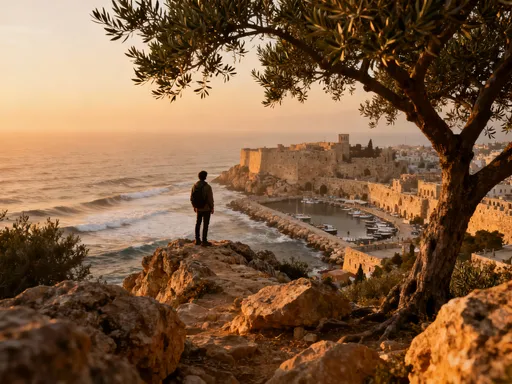
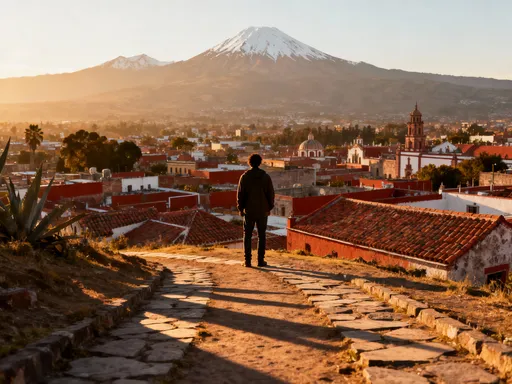
If Puebla’s streets offer intimacy, its hills provide revelation. There’s a reason locals speak of the city’s views with reverence—because seeing Puebla from above is nothing short of transformative. The most accessible and rewarding vantage point is Cerro de San Pedro, a gentle rise just west of the historic center. The climb takes about 20 minutes on a well-maintained path, winding through patches of scrub and native grasses. It’s not strenuous, but it’s enough to make the summit feel earned.
And then—there it is. As you crest the hill, the city spreads out below like a living diorama. Rooftops of red tile and weathered stone cascade down the valley, interrupted by the occasional dome or spire catching the light. In the distance, Popocatépetl and Iztaccíhuatl rise like silent guardians, their peaks often dusted with snow, sometimes wreathed in mist. At sunrise, the scene is almost otherworldly. The first rays of sun paint the clouds in soft pinks and golds, then spill over the valley, gradually illuminating the city below. The air is still, the only sound the occasional call of a bird or the rustle of leaves. It’s a moment of pure presence—no phone, no distractions, just you and the view.
Another powerful perspective awaits at the Fuertes de Loreto y Guadalupe, a pair of 19th-century forts that played a key role in the Battle of Puebla on May 5, 1862. Today, they house a museum and offer one of the most comprehensive panoramic views in the region. From the ramparts, you can see the entire sweep of the city, from its colonial heart to its modern outskirts. On clear days, the volcanic peaks seem close enough to touch. Unlike the solitude of Cerro de San Pedro, this site often draws families and school groups, yet the view remains powerful. There’s something humbling about standing where soldiers once stood, looking out over the same landscape, now peaceful, alive with the quiet rhythm of daily life.
These hilltop experiences do more than offer great photos—they shift your perspective. From above, the city’s layout becomes clear: the grid of streets laid out by Spanish planners, the way neighborhoods cluster around churches and plazas, the green ribbons of parks cutting through the urban fabric. But more than that, they remind you of Puebla’s place in the world—nestled in a valley, shaped by geology and history, sustained by the people who call it home.
Urban Perspectives: Windows, Balconies, and Rooftop Secrets
Not every great view requires a hike. Some of Puebla’s most memorable moments happen at eye level, in the quiet corners of courtyards, on private terraces, or from the windows of centuries-old homes. The city is full of *casas coloniales*—colonial-era houses built around central patios, once the domain of wealthy families, now often converted into boutique hotels, museums, or cultural centers. These spaces offer a different kind of vista: not of the city as a whole, but of its intimate, human scale.
Staying in one of these restored homes can be a revelation. Imagine waking to the sound of water trickling in a stone fountain, stepping onto a wooden balcony overlooking a garden lush with bougainvillea and ferns. Below, a caretaker sweeps fallen leaves from the courtyard tiles. The air is cool, the light soft. This isn’t just accommodation; it’s immersion. Many of these properties open their rooftops to guests, offering private moments with the sky. Sipping hot chocolate from a clay cup as streetlights flicker on across the neighborhood, or watching swallows dart between rooftops at dusk—these are the small luxuries that define a thoughtful stay.
Even public spaces offer these quiet perspectives. The Amparo Museum, housed in a beautifully restored 18th-century building, has a courtyard that invites stillness. Benches line the walls, shaded by climbing vines. The sound of the city fades here, replaced by the soft splash of a fountain and the murmur of other visitors speaking in hushed tones. It’s a place to pause, to let the mind rest. From this vantage, you’re not looking *at* Puebla—you’re feeling it.
Then there are the cafes and restaurants with terraces that frame the city like living paintings. A table at a rooftop eatery in the Analco neighborhood might offer a view of the cathedral’s dome, backlit by the setting sun. Or a quiet corner seat in a family-run restaurant could give you a front-row view of daily life: a woman walking her dog, children playing near a fountain, a street vendor arranging flowers. These are not grand panoramas, but they are no less powerful. They remind you that beauty isn’t always in the distant horizon—it’s also in the rhythm of ordinary life.
The Rhythm of Light: How Time Transforms the Landscape
In Puebla, light is not just illumination—it’s a storyteller. The city changes dramatically with the time of day, revealing different moods, textures, and emotions. At dawn, the world is hushed. The streets are nearly empty, the air crisp. The first light catches the upper reaches of the cathedral, turning its domes a soft rose gold. Shadows stretch long and blue across the Zócalo. This is the city before it wakes, peaceful and introspective.
By midday, everything shifts. The sun is high, direct, unforgiving in its clarity. Now you see the details: the intricate patterns of Talavera tiles on fountains and building façades, the cracks in centuries-old stonework, the way the light bounces off polished marble in a quiet chapel. Colors are saturated, almost electric. This is the time for walking, for exploring, for noticing the craftsmanship that defines Puebla’s architecture. But it’s also the time to seek shade—under a tree in a plaza, in the cool interior of a church, or in a café with thick adobe walls.
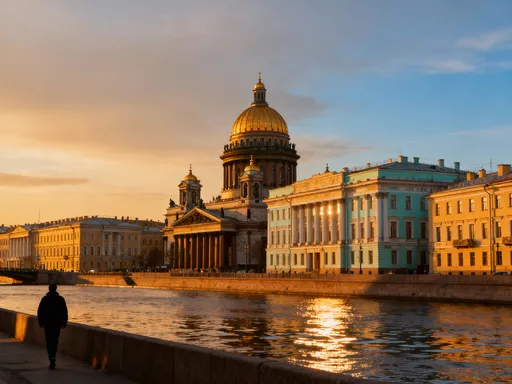
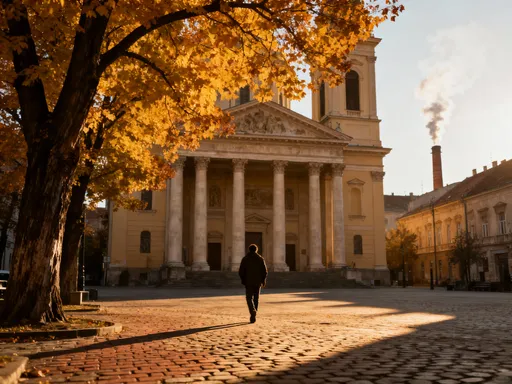
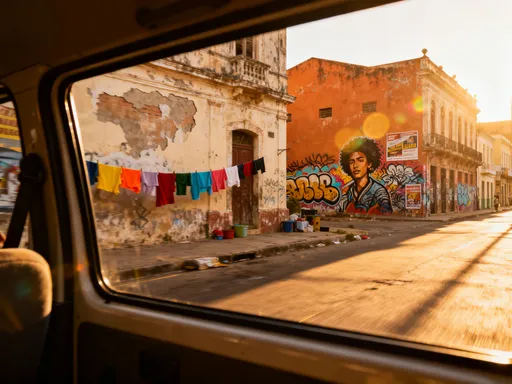
Then comes golden hour—the time Puebla truly shines. As the sun lowers, the city softens. The harsh lines of midday give way to warmth and depth. The pink stone of buildings glows, the shadows grow longer and richer, and the air takes on a golden hue. This is when photographers come out in force, but you don’t need a camera to appreciate it. Simply standing on a quiet street, watching the light play across a wall of tiles, can feel like a meditation.
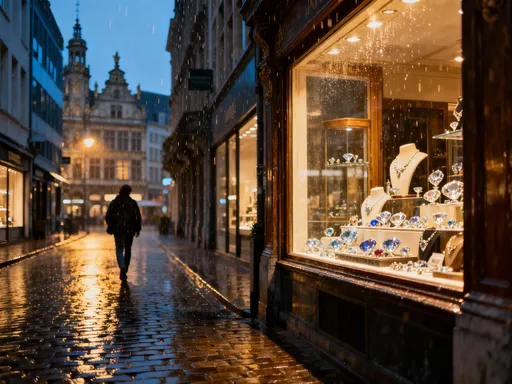
And at night, Puebla reveals another face. The streets are quieter, the pace slower. The cathedral is softly lit, its spires glowing against the dark sky. Cafes and restaurants spill warm light onto sidewalks. The occasional church bell tolls, its sound echoing through the still air. There’s a sense of calm, of closure, but also of continuity. The city isn’t shutting down—it’s settling in. Walking at night, you feel the weight of history, the quiet presence of centuries. Light, in all its forms, shapes not just what you see, but how you feel.
Practical Magic: Navigating for the Best Moments
Experiencing Puebla’s magic doesn’t require special skills, but it does benefit from a little planning. The city is walkable, especially the historic center, but comfortable shoes are essential—those cobblestones can be uneven and tiring. The altitude—around 7,000 feet—means the air is thinner, so pacing yourself is wise, especially if you’re not used to high elevations. Mornings are ideal for walking; the light is beautiful, the streets less crowded, and the temperature pleasant.
Public transportation is reliable and affordable. Local buses, known as *peseros*, connect the historic center with outlying neighborhoods and nearby attractions. For the hilltop views, you can take a bus partway and walk the rest. Taxis and ride-sharing services are also available and generally safe, though it’s best to use licensed cabs or apps rather than hailing from the street.
Guided walking tours are a great way to start. Many are led by local historians or architects who can point out details you might miss—like the symbolism in a church façade or the origin of a particular tile pattern. But don’t feel bound by the itinerary. Some of the best discoveries happen when you wander off the main routes. A narrow alley might lead to a hidden courtyard. A local might wave you toward a path you wouldn’t have noticed. These unplanned moments often become the most memorable.
Timing is key. Arrive early at popular sites to avoid crowds. Visit markets in the morning when they’re most active. Plan your hilltop visits for sunrise or late afternoon for the best light. And always carry water, a light jacket (mornings and evenings can be cool), and a small map or offline GPS—while Puebla’s layout is logical, its streets can twist in unexpected ways.
Most importantly, allow yourself to move slowly. This isn’t a city to rush through. Sit in a plaza for an hour. Return to the same spot at different times of day. Let the rhythm of the place sink in. The best travel experiences aren’t measured in sights seen, but in moments felt.
The View Beyond Sight: Carrying Puebla With You
When you leave Puebla, you won’t just carry photos on your phone. You’ll carry something deeper—a quieter way of seeing, a slower way of being. The city has a way of recalibrating your senses. You start to notice light more, not just in grand sunsets, but in the way it slants across a kitchen table at home. You become more aware of texture—the roughness of stone, the smoothness of tile, the rustle of leaves in the wind. These aren’t just memories; they’re shifts in perception.
And perhaps most of all, Puebla teaches the value of stillness. In a world that prizes speed and productivity, the city offers a counterpoint: the beauty of waiting, of watching, of simply being present. It’s in the hush after a church bell tolls, the shared smile with a stranger on a quiet path, the realization that joy can be found in the space between moments.
You don’t need to live in Puebla to carry it with you. You just need to remember how it felt—the cool morning air, the warmth of the sun on your face, the way the city seemed to breathe with you. These sensations stay with you, like a quiet companion. And when life feels loud or rushed, you can close your eyes and return—to the cobblestones, the light, the stone, the stillness. Because Puebla isn’t just a place on a map. It’s a way of seeing the world, one quiet moment at a time.