Why My Body Finally Learned to Move Right: The Real Talk on Pilates for Long-Term Care
For years, I treated my body like a machine—push it, ignore the noise, fix it when it breaks. But constant stiffness and low-grade pain told me something was off. Then I tried Pilates, not for a quick fix, but to truly understand how my body moves. What started as curiosity became a game-changer. This isn’t about perfect abs or flexibility tricks—it’s about building a body that feels strong, balanced, and resilient every single day. It’s about reclaiming the quiet confidence that comes from moving without hesitation, standing without strain, and living without the background hum of discomfort. This is the real talk on how Pilates became not just exercise, but a lifelong commitment to body intelligence.
The Breaking Point: When Pain Became a Wake-Up Call
Many women in their 30s to 50s know the slow creep of physical discomfort. It starts subtly—a stiffness in the lower back after gardening, a tightness in the shoulders after a long day at the desk, a knee that aches after climbing stairs. These aren’t injuries, not exactly. They’re signals. Yet, in the rhythm of daily life—juggling work, family, and personal responsibilities—these signals are often dismissed as normal wear and tear. The reality, however, is that these small pains are not inevitable. They are symptoms of a deeper issue: movement dysfunction. The body is designed to move with efficiency and grace, but modern lifestyles have disrupted this natural design. Hours spent sitting, repetitive motions, and lack of mindful physical activity create what experts sometimes call a 'movement debt.' Just as financial debt accumulates silently until it demands attention, movement debt builds until the body can no longer compensate.
Consider the typical day: waking up, sitting to eat breakfast, driving to work, sitting at a desk, perhaps squeezing in a rushed workout on the weekend that focuses on intensity rather than alignment. By Monday, the body feels heavier, stiffer, less responsive. This cycle repeats, and over time, the musculoskeletal system begins to adapt in ways that compromise long-term health. Joints bear uneven loads, muscles tighten or weaken in imbalanced patterns, and posture gradually deteriorates. The neck juts forward, the shoulders round, the pelvis tilts. These postural shifts may seem minor, but they create ripple effects throughout the body. What feels like a sore shoulder may actually stem from a lack of core stability or restricted breathing patterns. Pain in the hips may be linked to underactive glutes and overworked lower back muscles. The body is a connected system, and when one part is out of alignment, others must compensate.
This is where Pilates enters not as a trendy workout, but as a corrective system. Unlike many fitness regimens that focus on burning calories or building visible muscle, Pilates addresses the root cause of many chronic discomforts: poor movement patterns. It is not about how much you move, but how well you move. Developed in the early 20th century by Joseph Pilates, the method was originally designed to rehabilitate injured soldiers and dancers—people whose livelihoods depended on precise, controlled movement. The goal was never aesthetics, but function. Pilates, at its core, is about re-educating the body to move with integrity. It teaches awareness, control, and coordination. For those who have spent years ignoring their body’s whispers, Pilates offers a chance to finally listen.
What Pilates Actually Is (And Isn’t)
Despite its growing popularity, Pilates is often misunderstood. Many assume it is simply a form of stretching or a gentle workout for older adults or women seeking a 'softer' alternative to the gym. Others confuse it with yoga, assuming the two are interchangeable. While there are overlaps—both emphasize breath and body awareness—their intentions and methods differ. Pilates is not primarily about flexibility or meditation. It is a comprehensive system of movement based on six foundational principles: control, precision, flow, breath, centering, and concentration. These principles work together to create what Joseph Pilates called 'Contrology'—the complete coordination of mind, body, and spirit through deliberate, intelligent movement.
One of the most powerful aspects of Pilates is its focus on the 'core,' but not in the way most people think. In Pilates, the core is not just the abdominal muscles you can see in the mirror. It is a deep, internal support system that includes the transverse abdominis, the pelvic floor, the diaphragm, and the muscles along the spine. This system functions like a natural corset, stabilizing the torso and protecting the spine during all movements. When this system is weak or uncoordinated, the body relies on superficial muscles—like the hip flexors or the neck muscles—to do jobs they are not meant to do. This leads to tension, fatigue, and injury over time. Pilates teaches how to activate and integrate these deep stabilizers, creating a foundation of strength that supports every action, from lifting a grocery bag to standing up from a chair.
Another common misconception is that Pilates is not 'real' exercise because it doesn’t make you sweat or leave you breathless. But intensity in fitness is not the same as effectiveness. A 45-minute Pilates session may not raise your heart rate like a spin class, but it can profoundly rewire your neuromuscular system. This is the science of neuromuscular re-education—teaching the brain to communicate more effectively with the muscles. Over time, movements that once required effort become automatic and efficient. You don’t just get stronger; you get smarter in how you use your strength. This is especially valuable as we age, when maintaining balance, coordination, and joint health becomes more critical. Pilates is not a shortcut to a toned body. It is a long-term investment in how your body functions for decades to come.
Why Movement Quality Matters More Than Quantity
In today’s fitness culture, more is often seen as better. More reps, more weight, more sweat. But when it comes to long-term physical health, quality of movement trumps quantity every time. Think of it this way: if you drive a car with misaligned wheels, even the most powerful engine won’t prevent premature tire wear. The same is true for the human body. Performing hundreds of sit-ups with poor form may burn calories, but it can also reinforce harmful movement patterns—like using the hip flexors instead of the deep abdominals, or straining the neck to lift the head. Over time, these small errors accumulate, leading to joint stress, muscle imbalances, and chronic pain.
Pilates flips this script. Instead of focusing on how many repetitions you can do, it emphasizes how each movement is performed. A single, well-executed Pilates roll-up—where the spine articulates one vertebra at a time—can be more beneficial than ten rushed versions. This precision training builds what is known as motor control: the brain’s ability to recruit the right muscles at the right time, in the right sequence. Research in motor learning and rehabilitation consistently shows that improving motor control reduces the risk of injury and enhances functional performance. This is not about athletic excellence; it’s about everyday resilience. When your body moves efficiently, simple tasks—carrying children, bending to tie shoes, standing in line at the grocery store—become easier and safer.
Consider posture. Slouching at a desk may seem harmless, but it places excessive strain on the upper back and neck muscles while weakening the deep stabilizers of the spine. Over time, this can lead to tension headaches, shoulder impingement, and even breathing difficulties. Pilates addresses this by teaching postural awareness and alignment. It doesn’t just tell you to 'sit up straight'—it shows you how. Through exercises that promote spinal articulation and shoulder girdle stability, Pilates helps retrain the body to maintain a neutral, supported posture with less effort. The result is not just better alignment, but reduced fatigue and improved energy levels. When your body isn’t constantly fighting against gravity, you feel lighter, both physically and mentally.
How Pilates Reprograms Your Body’s Maintenance System
The human body has an incredible capacity to adapt, but not all adaptations are beneficial. When certain muscles are overused and others are neglected, the body develops compensation patterns—shortcuts that allow movement but at a cost. For example, if the gluteal muscles are weak, the hamstrings or lower back may take over during walking or climbing stairs. This might work in the short term, but over time, it leads to strain and overuse injuries. Pilates works to correct these imbalances by reactivating underused muscles and calming overactive ones. It’s like a tune-up for your musculoskeletal system, restoring balance and harmony to how your body functions.
One of the key ways Pilates achieves this is through targeted activation of the deep stabilizing muscles. These muscles—such as the transverse abdominis, multifidus, and pelvic floor—are not the ones that show up in a mirror, but they are essential for spinal stability and joint protection. In everyday life, these muscles often become dormant due to sedentary habits. Pilates exercises are designed to wake them up. For instance, the 'hundred'—a foundational Pilates exercise—doesn’t just build endurance. It teaches how to engage the deep core while maintaining steady breathing, a skill that translates directly to better support during daily activities. Similarly, exercises like the 'single-leg stretch' or 'spine twist' challenge coordination and stability, forcing the body to integrate movement across multiple planes.
The benefits of this reprogramming are both immediate and long-term. Many people report reduced back pain after just a few sessions, not because Pilates 'cures' pain, but because it addresses the underlying causes—poor alignment, weak support, and inefficient movement. When the spine is properly aligned and supported, pressure on the discs and nerves decreases. When the hips move with greater range and control, strain on the knees and lower back is reduced. These changes don’t just alleviate pain; they enhance overall function. Sleep often improves, not because Pilates is a sleep aid, but because a body that is balanced and free of tension can finally rest. Digestion may become more regular, as improved posture and core engagement support internal organ function. These are not exaggerated claims, but logical outcomes of a body that is working as it was designed to.
Putting It Into Practice: Building a Sustainable Routine
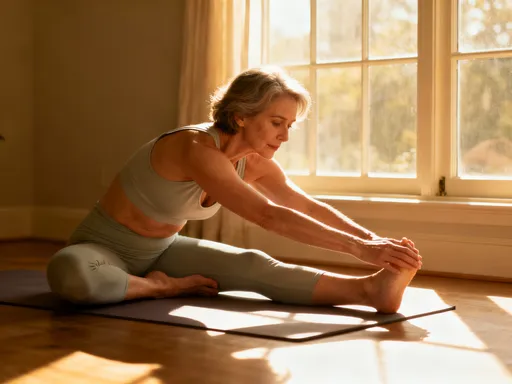
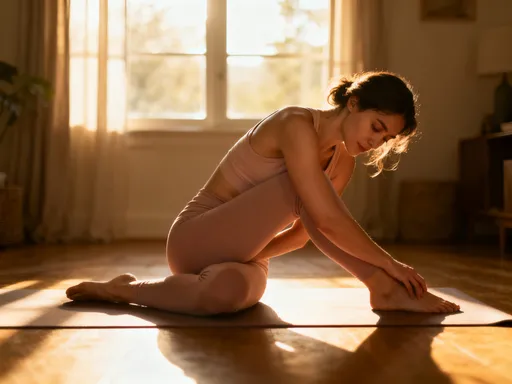
Starting a Pilates practice doesn’t require expensive equipment or hours of free time. The beauty of the method is its accessibility. Mat-based Pilates, the most common form, can be done at home with just a floor and a towel. For those new to the practice, the most important step is finding a qualified instructor. Not all Pilates teachers are created equal—some may lack proper training or teach with poor form. Look for instructors certified by reputable organizations who emphasize alignment, breath, and control over speed or intensity. A good teacher will observe your movement, offer modifications, and guide you toward better body awareness.
As for frequency, most experts recommend practicing Pilates two to three times per week for noticeable benefits. Sessions can range from 20 to 45 minutes, making it easier to fit into a busy schedule. The key is consistency, not duration. Even 15 minutes of mindful movement each day can make a difference over time. The goal is not to 'get it perfect' but to stay engaged and present. Over time, the body begins to remember the correct patterns, and movements become more natural. This is when the real transformation happens—not in the studio, but in life.
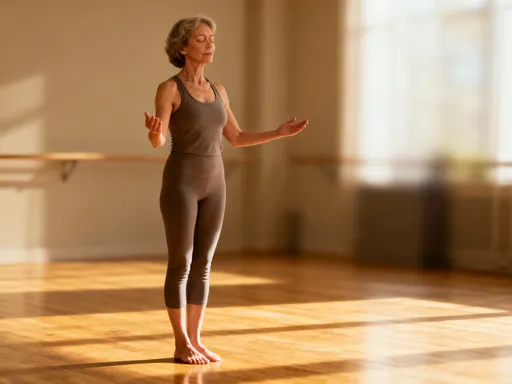
Equally important is integrating Pilates principles into daily activities. This is where the practice transcends exercise and becomes a way of living. Simple habits—like sitting with a tall spine, breathing deeply before lifting a heavy object, or standing with weight evenly distributed on both feet—can reinforce the work done in class. These 'micro-movements' add up. They keep the body tuned and responsive, preventing the re-emergence of old patterns. The danger lies in treating Pilates as a trend or a temporary fix. Like brushing your teeth or eating well, it is most effective when practiced regularly as part of a long-term care routine. The body is not a machine to be fixed and forgotten; it is a living system that requires ongoing attention and care.
Beyond the Studio: How Body Awareness Transforms Daily Living
The true power of Pilates reveals itself not during the workout, but in the moments between. It’s in the way you now stand in the kitchen, feet grounded, spine long, shoulders relaxed. It’s in the way you lift your child without straining your back, engaging your core before bending. It’s in the way you walk—lighter, more balanced, more aware of each step. These are not dramatic changes, but they are profound. They represent a shift from unconscious movement to mindful action. This heightened body awareness is one of the most valuable gifts of Pilates.
With practice, you begin to notice tension before it becomes pain. You feel the subtle shift when you start to slump at your desk, and you correct it before discomfort sets in. You become attuned to your breathing, recognizing when it becomes shallow or held—often a sign of stress. By bringing awareness to these patterns, you gain the power to change them. This connection between physical and mental well-being is well-documented. Studies in mind-body medicine show that practices that enhance body awareness—like Pilates, tai chi, or mindful movement—can reduce stress, improve mood, and enhance cognitive clarity. The body and mind are not separate; they are deeply intertwined. When the body feels balanced, the mind follows.
Many women report feeling 'lighter' after months of consistent Pilates—not necessarily because they’ve lost weight, but because they carry themselves differently. There is a quiet confidence that comes from knowing your body is strong, stable, and capable. This is not about appearance, but about function. It’s about being able to play with your grandchildren without fear of injury, to travel without back pain, to enjoy daily life with greater ease. These are the real markers of health. And they are within reach, not through extreme measures, but through consistent, intelligent movement.
Sustaining the Work: Pilates as Lifelong Body Stewardship
Fitness is often sold as a transformation—a before and after, a goal to achieve and then move on from. But true wellness is not a destination; it is a practice. Pilates, at its best, is not about changing your body to meet an ideal. It is about caring for the body you already have, with kindness and respect. It is about stewardship—tending to your physical self with the same attention you give to your home, your relationships, or your finances. Just as you wouldn’t expect a car to run well without regular maintenance, you cannot expect your body to function optimally without ongoing care.
As we age, this care becomes even more essential. Mobility, balance, and joint health are not fixed traits; they are skills that can be maintained and improved. Pilates supports healthy aging by preserving range of motion, enhancing coordination, and building functional strength. It helps prevent falls by improving balance and proprioception—the body’s sense of where it is in space. It supports independence, allowing women to continue doing the things they love—gardening, dancing, traveling—well into later life. This is not about defying age, but about embracing it with strength and grace.
The shift from symptom-chasing to proactive care is one of the most empowering changes a person can make. Instead of waiting for pain to appear, you learn to listen to your body’s signals and respond with care. Instead of viewing exercise as punishment or obligation, you see it as nourishment. Pilates becomes not just something you do, but a way of being. It teaches patience, presence, and self-respect. And in a world that often values speed and output over sustainability and well-being, this is a radical act of self-care.
In the end, the journey with Pilates is not about achieving perfection. It is about building a body that feels good, moves well, and serves you for years to come. It is about replacing fear with confidence, tension with ease, and neglect with attention. True wellness begins not with a diet or a trend, but with how you move—every single day. And when you move with awareness, strength, and balance, you are not just exercising. You are honoring the incredible, resilient system that carries you through life.